Swedish Researchers Build an AI Scientist That Runs Its Own Lab Experiments
A closed-loop system combining LLMs, databases, and lab robotics autonomously generates hypotheses, tests them on yeast, and interprets results.
3 min read
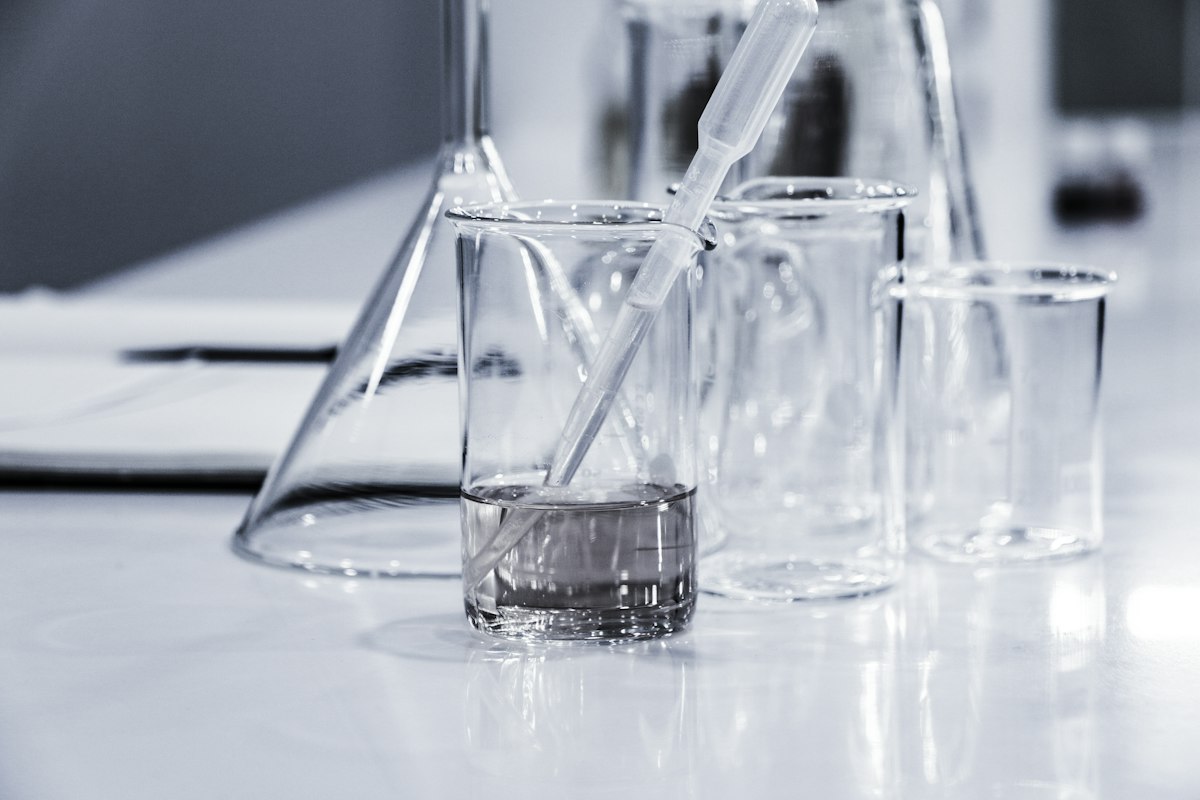
Researchers in Sweden have built an AI system that completes the full cycle of scientific discovery — from hypothesis generation through experimental design, laboratory execution, and results interpretation — with minimal human input.
The work, led by teams at Chalmers University of Technology and the University of Gothenburg, combines multiple large language models, biological databases, and physical laboratory robotics into what the authors call a closed-loop AI scientist.
How the system works
The AI scientist analyzed a database of approximately 60,000 yeast genes — brewer's yeast, or Saccharomyces cerevisiae, a model organism in biology research. From this data, it generated scientific hypotheses about gene function and interaction.
A laboratory robot named Eve then designed and executed experiments to test those hypotheses. After tests completed, the AI analyzed results, determined whether predictions were correct, and automatically updated or refined refuted hypotheses for future experimental cycles.
The loop runs continuously: hypothesis, experiment, analysis, refinement, new hypothesis.
Why yeast matters
Saccharomyces cerevisiae is biology's workhorse organism. Its genome is well-characterized, it grows quickly, and experimental protocols are standardized. Success in yeast provides a proof of concept that could extend to more complex biological systems.
The researchers are not claiming the AI scientist replaces human biologists. They are demonstrating that automation can compress the iteration cycle — the slow, expensive loop that limits how many hypotheses any lab can test.
Potential impact
Senior author Ross King at the University of Gothenburg said AI scientists "will collaborate with human scientists to accelerate discoveries across biology, medicine, and biotechnology." The systems could reduce time to explore complex questions and optimize laboratory resource use.
Researchers noted that AI-driven automation could minimize human bias, accelerate research cycles, and reduce variation from human error, incomplete protocol recording, environmental conditions, and other factors affecting reproducibility.
Reproducibility is a crisis in modern science. If AI systems record protocols completely and execute them identically, they address a foundational problem.
Limitations and questions
The system operates in a controlled domain with a well-understood model organism. Extending to human biology, clinical research, or field sciences introduces complexity orders of magnitude greater.
Ethical questions follow: Who is responsible when an AI-designed experiment produces unexpected results? How do funding agencies evaluate AI-generated hypotheses? What happens to graduate students whose traditional lab work is automated?
These questions do not diminish the achievement. They define the next research agenda.
The broader trend
The Swedish AI scientist joins a wave of autonomous research systems. Google's Project Suncatcher tests orbital compute. Google DeepMind's SynthIDBio watermarks AI-designed proteins. Perovskite solar cells reach new efficiency records through automated materials science.
Science is becoming a domain where AI does not just analyze data — it generates the questions and runs the experiments. The October 2026 announcements suggest that transition is accelerating faster than many researchers expected.






Comments
Loading comments…