SpaceX Starship Flight 14 Could Be the First True Orbital Test—and a Preview of AI Data Centers in Space
The FAA authorized Starship's 14th flight for September 28, with plans to deploy 26 Starlink V3 satellites and circle Earth for the first time.
2 min read
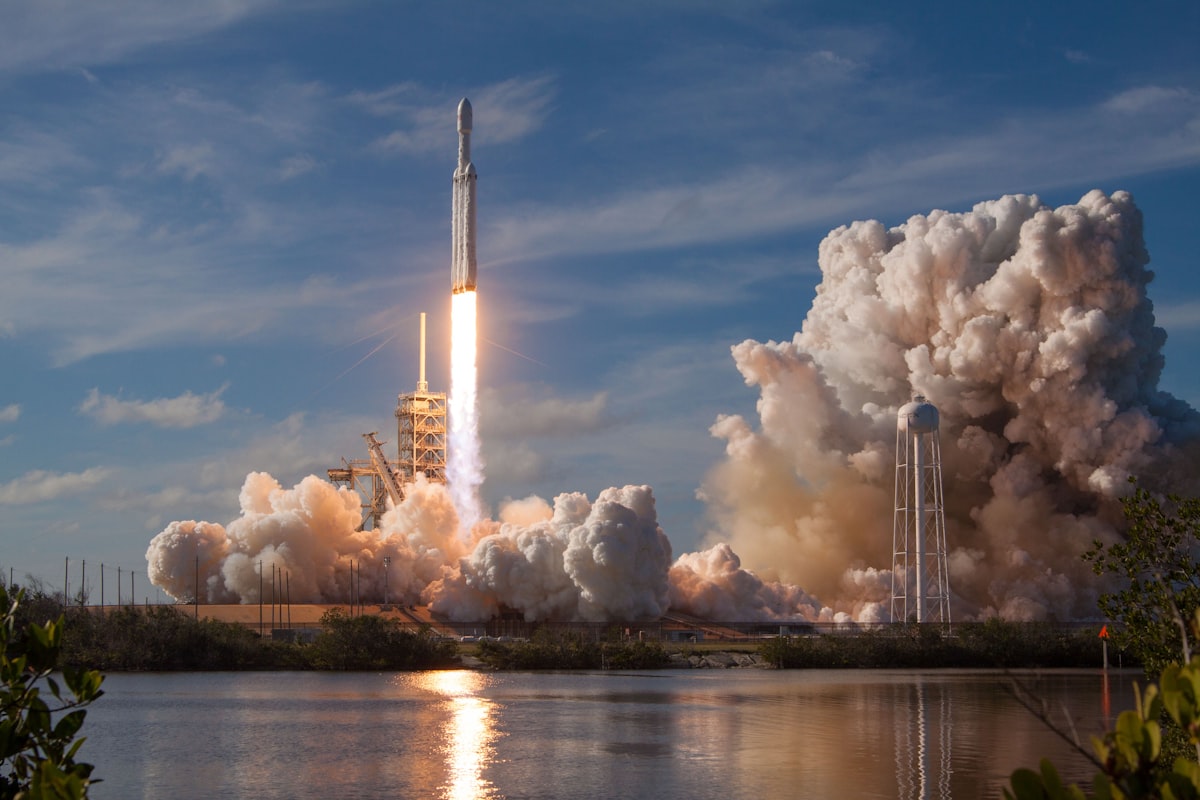
SpaceX prepared to launch Starship Flight 14 on Monday, September 28, 2026—its most ambitious test to date. The Federal Aviation Administration authorized launch and reentry operations on September 26. If successful, Starship will reach orbit for the first time, circle Earth, and deploy 26 Starlink V3 satellites.
Why Flight 14 is historic
Previous Starship tests pushed altitude, booster catch, and controlled splashdown—but none aimed for full orbital insertion. Flight 14 changes the mission profile entirely.
SpaceX designed Starship Super Heavy to be fully reusable and to lift more cargo per dollar than any prior rocket. NASA plans to use Starship for lunar landings; SpaceX COO Gwynne Shotwell said the company intends to launch "AI compute satellites" into orbit beginning in 2027.
Starlink V3 deployment
The mission will carry 26 next-generation Starlink V3 satellites—larger and more capable than prior generations, produced at SpaceX's Redmond, Washington facility. V3 promises improved capacity for Starlink's growing subscriber base and defense contracts.
The orbital computing angle
Shotwell's "supercompute in space" comment is not throwaway marketing. Heat rejection and energy costs make orbital data centers theoretically attractive for massive AI inference workloads—if launch costs fall far enough.
Starship's whole design philosophy—high cadence, reuse, volume—targets that economic threshold.
Indian startup TakeMe2Space plans its own orbital computing demonstrator on a SpaceX rideshare October 1, signaling that SpaceX's launch manifest will carry both megaconstellations and specialized compute payloads.
NASA and defense timelines
Starship must prove orbital reliability before NASA's Artemis-related tests advance. Defense applications—including rapid deployment of sensing and communication satellites—depend on the same milestone.
Risks
Thirteen prior tests did not reach orbit. Flight 14 introduces reentry after orbital velocity—a thermal and control challenge far beyond suborbital hops. Any anomaly will delay lunar and compute timelines alike.
Science and engineering takeaway
Flight 14 is a hinge point between experimental rocketry and operational space logistics. Success validates Starship as infrastructure—not a stunt vehicle.
For JSIPE readers tracking innovation systems: the same launch that deploys broadband satellites may preview the physical layer of orbital AI—where science fiction becomes launch manifest line items.

Comments
Loading comments…