Solar Generation Passed Nuclear Worldwide, Marking a Quiet Inflection in the 2026 Power Mix
Engineering and policy circles debated the milestone after October 17 coverage highlighted grid-scale renewables outpacing atomic output.
8 min read
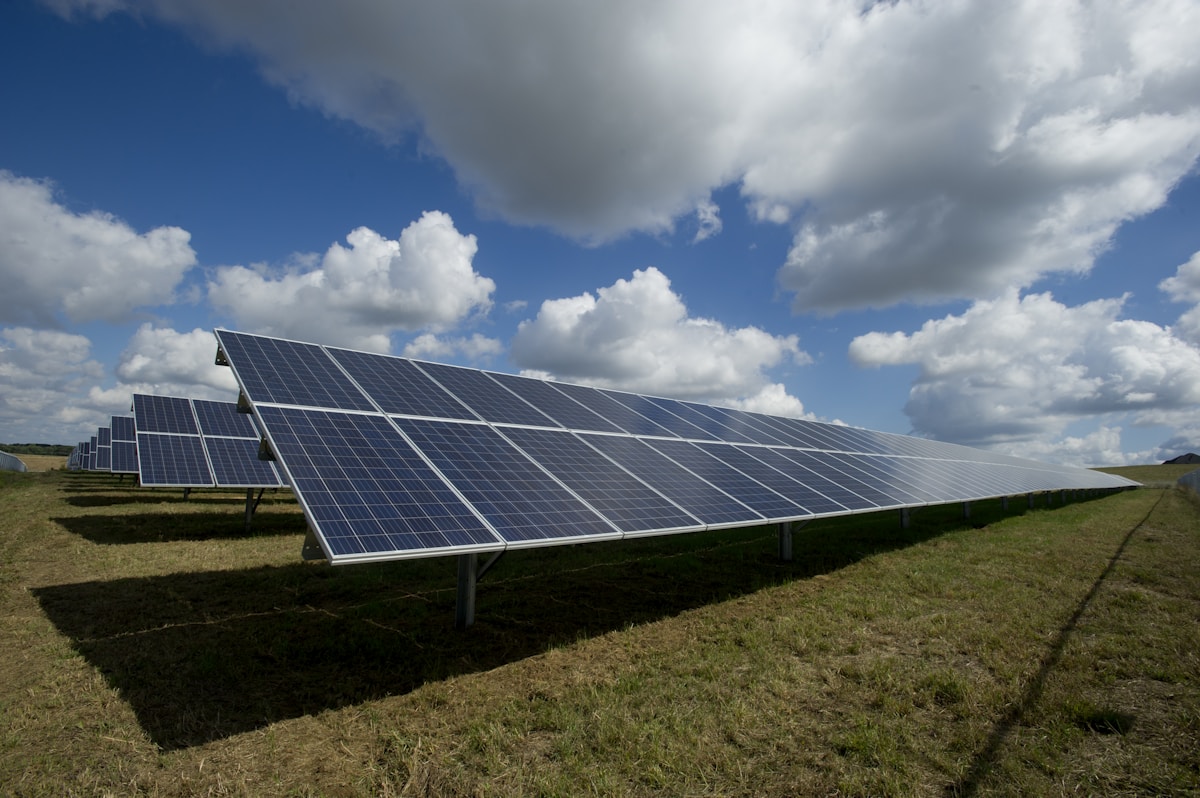
On October 17, 2026, engineering and energy dailies circulated a milestone that had been forecast for years but rarely treated as imminent: for the first time on record, global electricity generation from solar photovoltaics exceeded output from nuclear power plants over a sustained reporting window. The figure appeared alongside the week’s AI and technology headlines in aggregated “daily brief” roundups, yet it was not a Silicon Valley story. It was a systems story—about terawatt-hours, capacity factors, grid interconnection queues, and the quiet arithmetic of decarbonization. For readers of the Journal of Science, Innovation, Policy, and Engineering (JSIPE), the crossing point matters less as a trophy for one technology over another than as a signal that the world’s power mix is reorganizing faster than many institutions were built to track.
The comparison is inherently imperfect. Nuclear plants run as baseload or load-following assets with high capacity factors when they are online; solar output varies with irradiance, season, latitude, and weather. A single day or even a month in which solar aggregate generation edges above nuclear does not mean solar has “replaced” nuclear in the sense of providing the same grid services everywhere. What it does mean is that the installed base of solar—utility-scale arrays, commercial rooftops, distributed residential systems, and hybrid projects paired with storage—has reached a scale where its collective contribution to the world’s electron ledger can rival a mature fleet of fission reactors. That is the milestone engineers and policy analysts have been debating: not winner-take-all, but a new balance of mass and momentum.
How the milestone was measured
Reports discussed on October 17, 2026 drew on composite datasets typical of international energy statistics: national grid operator filings, estimated self-consumption where metering is incomplete, and modeled output where direct telemetry is aggregated commercially. Solar is counted in multiple buckets—grid-connected utility PV, behind-the-meter generation, and in some jurisdictions concentrated solar power with thermal storage. Nuclear is counted primarily as generation from connected reactors, with adjustments for outages and refueling.
The “first time globally” framing usually refers to comparing monthly or rolling multi-week totals, not a single instantaneous peak. Solar’s seasonal curve helps in hemisphere-weighted global sums: as autumn shortens days in the northern mid-latitudes, the southern hemisphere’s spring can partially compensate in worldwide totals, but the long-run driver is capacity growth, not weather luck. Nuclear generation, by contrast, has been relatively flat globally: new units in China and elsewhere offset retirements in Europe and the United States, while lifetime extensions and uprates modify the picture plant by plant.
Analysts caution that data revisions are common. Retroactive changes to China’s distributed solar estimates, for example, have shifted historical rankings before. Treating October 2026 as a provisional flag in a time series is sound engineering practice: the crossing point is real in operational terms, but the exact month may be revised as audits complete.
Why solar accelerated while nuclear plateaued
Solar’s rise over the past decade is a story of manufacturing learning curves, module efficiency gains, and balance-of-system cost collapse. Crystalline silicon modules commoditized; inverter electronics improved; tracker systems raised yield in utility projects. Policy mechanisms—feed-in tariffs, auctions with record-low bids, tax credits, and renewable portfolio standards—translated those economics into deployed gigawatts. Interconnection backlogs and transmission constraints remain binding in many regions, but they slow deployment rather than reverse it.
Nuclear’s trajectory is different. Fleet age, capital cost risk, long construction schedules, and financing models dominate new-build decisions outside a handful of markets. Existing plants produce large, steady output with low variable cost once capital is sunk, which makes them valuable for carbon-free baseload where they already exist. Adding new reactors competes with renewables-plus-storage on time-to-power and perceived financial risk, even when levelized cost analyses are favorable under specific assumptions. The global plateau is not a verdict on nuclear physics; it is an outcome of project delivery and market design.
Storage and hybridization blur simple rankings. When a solar plant discharges a battery in the evening, accountants and grid operators may attribute energy differently—solar-backed, storage-shifted, or generic market purchase. Nuclear seldom appears in those hybrid stacks except indirectly through grid imports. Methodological choices therefore affect how “solar versus nuclear” reads in public discourse.
Grid physics and the services beyond megawatt-hours
Megawatt-hours measure energy; grids also need voltage support, inertia, frequency response, and ramping capability. Large rotating generators—including nuclear turbines—provide physical inertia that helps ride through disturbances. Solar inverters can synthesize some grid-forming behaviors, but the transition requires standards, interconnection rules, and operator training. The October 2026 milestone is about energy accounting, not a claim that solar alone furnishes every reliability attribute nuclear historically supplied.
In systems with high renewable penetration, operators increasingly rely on a portfolio: wind and solar diversity, geographic spread, demand response, storage, hydro flexibility, and remaining thermal plants operated more flexibly. Nuclear can play a stabilizing role where it exists, but it is not infinitely flexible without operational tradeoffs. The engineering conversation shifts from “which technology wins” to “which combination meets reliability and carbon constraints at least cost.”
For developing grids, solar often arrives as modular capacity that can track load growth without a single large bet on one plant. Mini-grids and rural electrification leapfrogged centralized models in some regions, which can inflate solar’s share of new generation faster than its share of total generation. Global comparisons must weight those structural differences.
Climate, innovation, and policy interfaces
From a climate perspective, displacing fossil generation matters more than displacing nuclear, though lifetime extensions of existing nuclear can preserve carbon-free output that would otherwise require alternatives. Solar’s milestone is meaningful if it correlates with reduced coal and gas burn; it is ambiguous if it merely overlays stagnant nuclear while fossils dominate growth in emerging economies.
Innovation policy intersects the trend. Public research funded module and manufacturing improvements; deployment policies created learning-by-doing. Permitting reform for transmission and renewables has become a bipartisan talking point in several countries because bottlenecks now dominate marginal cost. Nuclear innovation programs pursue small modular reactors and advanced designs, but commercial deployment at scale remains on horizons measured in years, not months.
Carbon pricing, clean energy standards, and corporate power purchase agreements translate abstract climate goals into signed contracts. When technology giants procure solar and storage for data centers, they amplify demand for renewable certificates and shape regional interconnection plans. The same week’s technology news often covers those corporate procurements adjacent to the solar-versus-nuclear headline, linking digital infrastructure growth to physical power planning.
Equity, labor, and land use
Solar deployment raises land-use questions: agrivoltaics, brownfield siting, and community acceptance for utility-scale fields. Manufacturing and installation employ large workforces spread across regions, while nuclear employment concentrates around fewer sites with specialized skills. Policy makers weigh job quality, training pipelines, and economic development when incentives favor one sector.
Energy justice advocates note that distributed solar can lower bills where net metering and community solar programs are designed well, but can exclude renters and low-income households when programs favor owner-occupiers. Nuclear host communities often negotiate benefits agreements; solar developers face similar expectations for local hiring and revenue sharing. JSIPE readers examining innovation impacts should watch how governance keeps pace with deployment speed.
What to watch after the crossing point
Several indicators will clarify whether October 2026 marks a durable reordering or a statistical blip. Track rolling twelve-month totals for solar and nuclear generation globally and by region. Watch capacity additions: gigawatts of solar commissioned per quarter versus nuclear grid connections. Monitor storage attachment rates and hours of storage per new solar gigawatt. Follow transmission project completion and interconnection queue reforms.
On the nuclear side, watch restart decisions, retirement schedules, and whether new builds reach commercial operation on revised timelines. Hybrid markets—renewables paired with storage bidding into capacity markets—will test whether reliability products are priced in ways that reward diverse technologies.
For researchers, the milestone invites integrated assessment models to update shares and to stress-test scenarios where solar-led systems must meet extreme weather events, droughts affecting hydro, or geopolitical fuel shocks. Engineers should document how inverter-based resources perform during low-inertia conditions as nuclear share declines in some regions.
Reading the headline in context
The October 17, 2026 discussion in AI and tech dailies alongside engineering news reflects how energy transitions now surface in generalist technology coverage: data centers need power, chips need fabs, and fabs need steady electricity. Solar surpassing nuclear globally is not a gadget launch; it is infrastructure news with decades of lead time and centuries of consequence for emissions.
JSIPE’s lens favors clarity over hype. Solar’s first global edge in generation totals is a measurable achievement of industrial scale and policy persistence. Nuclear remains a significant carbon-free source where operational plants exist and where new builds succeed. The grid of the late 2020s is a composite, not a duel. Understanding that composite—its data limits, its reliability needs, and its equity dimensions—is the work that turns a headline into engineering and policy insight.
The crossing point will likely be crossed again and again in seasonal data, then stay crossed in annual totals as solar capacity compounds. Whether that trajectory delivers climate goals depends on what solar displaces, how fast storage and transmission catch up, and how institutions coordinate markets across borders. The October 2026 flag is a moment to read the meter, not to stop measuring.







Comments
Loading comments…